
Understanding External Quality Assurance
A FE Quality Hub perspective

Many practitioners across further education and skills deliver and assess qualifications certificated by an awarding organisation (AO). At some point, you will engage with an External Quality Assurer (EQA) through a visit, remote sampling, professional discussion, or ongoing communication by phone or email.
If you are unfamiliar with the EQA role, this article offers clarity, reassurance, and a sector-informed perspective, aligned with the principles of the FE Quality Hub: visibility, consistency, professionalism, and continuous improvement.
What is the role of an EQA?
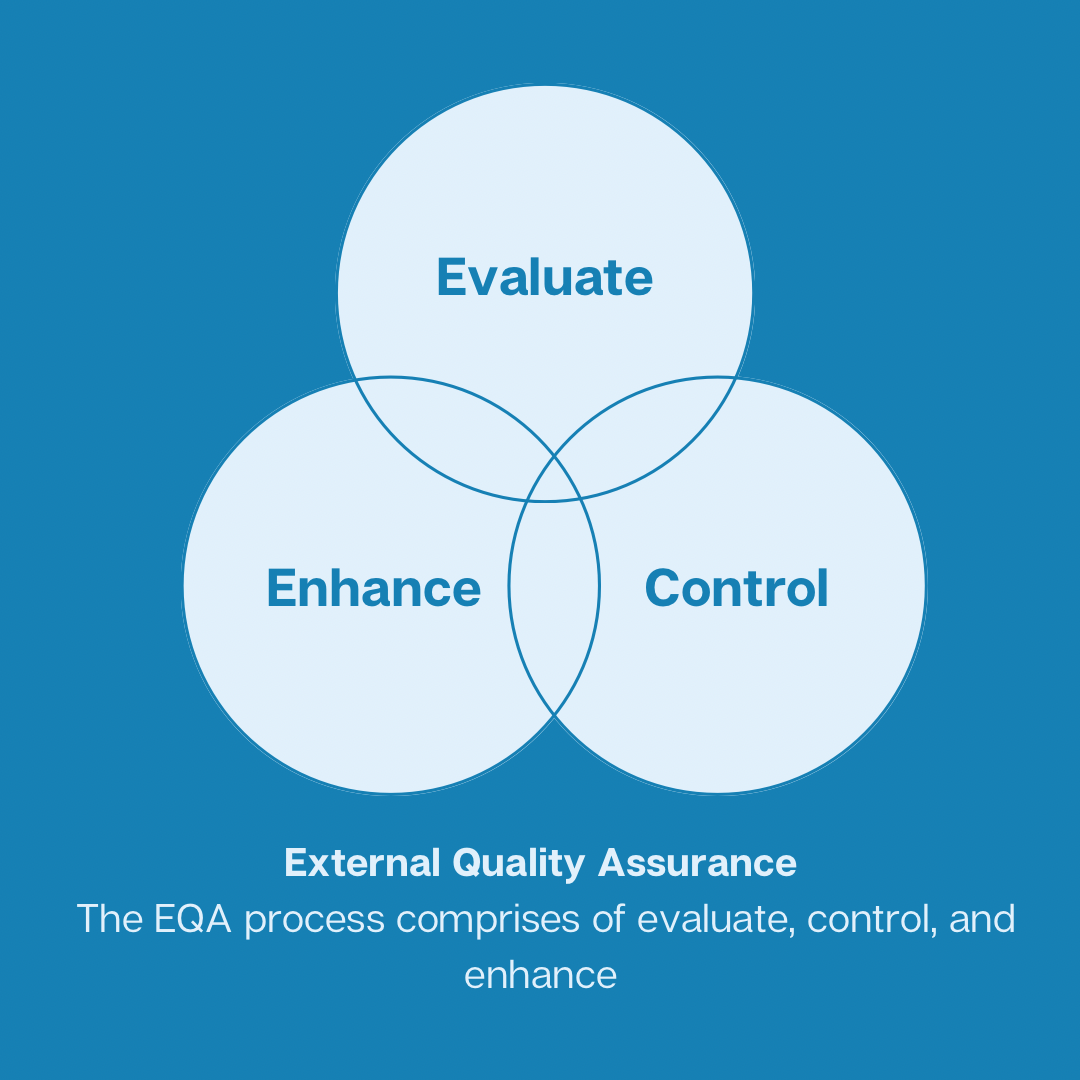
External Quality Assurers monitor a centre’s systems, processes, and practice to ensure they meet awarding organisation, qualification, and regulatory requirements. However, effective external quality assurance goes far beyond compliance.
A strong EQA relationship is:
developmental rather than punitive
collaborative rather than transactional
improvement-focused rather than inspection-led
EQAs play a vital role in supporting centre staff, offering advice, guidance, and professional challenge to strengthen assessment decisions, internal quality assurance (IQA), and learner experience.
Good practice is not built during a single visit. Centres should maintain ongoing communication with their EQA throughout the year, sharing changes, asking questions early, and using the EQA relationship as a quality improvement tool.
Regulation, awarding organisations, and consistency
Awarding organisations are regulated by Ofqual, and must comply with the General Conditions of Recognition (2012, updated 2014). These conditions require AOs to ensure their centres manage areas such as:
conflicts of interest
risk
malpractice and maladministration
assessment validity and reliability
In practice, approaches can differ between awarding organisations. This lack of standardisation is often frustrating for centres, particularly when they are expected to deliver consistency across multiple AOs.
This is where the FE Quality Hub adds value not by replacing statutory regulation, but by:
making quality expectations more visible and understandable
supporting centres to evidence good practice consistently
encouraging shared standards across delivery, assessment, and assurance
The evolving nature of external quality assurance
Many experienced practitioners remember when external verification felt intimidating. Earlier models varied widely, reports were inconsistent, and challenge was rarely encouraged.
External quality assurance has since matured:
reports are clearer and evidence-based
risk ratings are used to target support
sanctions are structured and proportionate
transparency and accountability are expected on all sides
Importantly, EQAs can recommend sanctions, but awarding organisations make final decisions.
If an action point does not align with published requirements, centres are entitled — and encouraged to ask:
“Where is this requirement stated?”
If it is not written in the qualification specification or regulatory documentation, it cannot be enforced though it may be noted as an improvement point.
This professional dialogue is healthy and aligns strongly with the FE Quality Hub’s commitment to informed, confident practitioners.
What does an EQA actually do?
Below is a non-exhaustive overview of the EQA role, reflecting current practice and FE Quality Hub principles:
advise and support centre staff throughout the year, not just during visits
approve centres to offer qualifications
communicate regularly with centres and awarding organisations
sample assessed and internally quality assured learner work using a planned strategy
evaluate the accuracy and consistency of assessor and IQA decisions
monitor the full learner journey from IAG and induction to certification and progression
ensure learners are registered within required timescales
observe assessment, feedback, and IQA practice where appropriate
review policies, procedures, systems, staffing, and resources
identify trends, risks, and areas for development
confirm or recommend removal of direct claims status
complete clear, evidence-based reports with action and improvement points
recommend sanctions where serious issues are identified
maintain accurate, confidential records
engage in ongoing CPD relating to subject expertise and external quality assurance
use technology effectively, including remote sampling and digital systems
Reputation, trust, and learner confidence
Every qualification certificate carries both the awarding organisation’s name and the centre’s name. External quality assurance exists to protect:
learners
centres
awarding organisations
the credibility of the FE and skills sector
When quality assurance is robust, transparent, and supportive, confidence in qualifications increases a principle at the heart of the FE Quality Hub.
A final message to centres
An EQA is not there to “catch you out”.
They are there to:
support improvement
validate good practice
strengthen consistency
protect learners and standards
Never be afraid to ask questions, challenge constructively, or seek guidance during a visit or between visits.
If you want to explore the theory behind external quality assurance further, the unit “Understanding the principles and practices of externally assuring the quality of assessment” provides a strong foundation. It is knowledge-based and does not require you to carry out EQA activity.
FE Quality Hub principle in action
Quality should be visible, shared, and understood not hidden behind process or fear.